Ставка Nvidia в размере 500 миллиардов долларов позволит ИИ Вычислить Следующий класс активов Уолл-Стрит
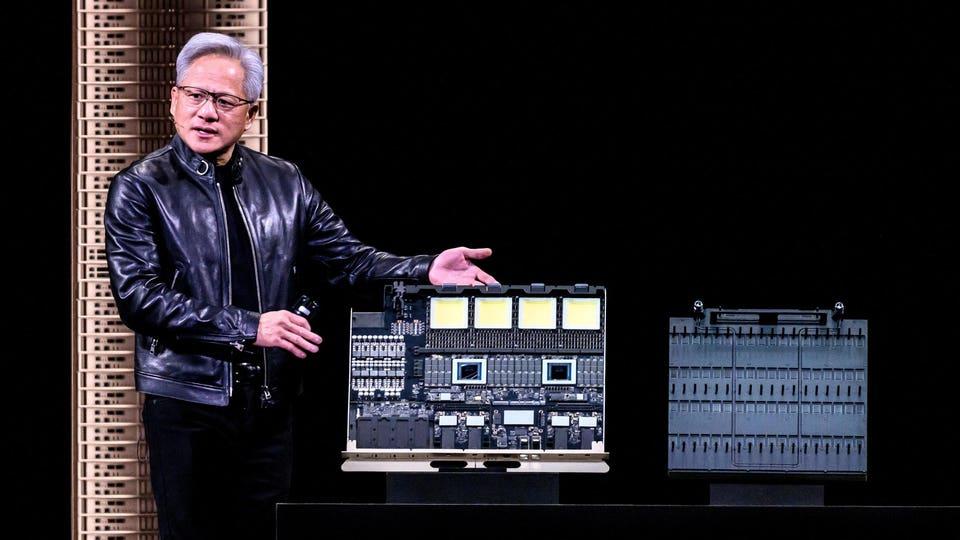
Nvidia совместно с такими финансовыми гигантами, как BlackRock и Goldman Sachs, объявила о планах привлечь более 500 миллиардов долларов для "фабрик" искусственного интеллекта, целью которых является превращение вычислений с использованием искусственного интеллекта в инвестиционный класс активов. Генеральный директор Дженсен Хуанг (Jensen Huang) утверждает, что эти центры обработки данных обеспечивают стабильную прибыль и возможность повторного использования, подобно инфраструктуре. Однако основной проблемой является финансирование быстро стареющего оборудования для искусственного интеллекта в качестве долгосрочных активов. Остается важный вопрос: кто понесет убытки, если устаревание технологий превысит сроки кредитования? Хотя Nvidia может предложить некоторую поддержку по остаточной стоимости, в статье подчеркивается, что высокие цены на аренду не гарантируют высокой стоимости при перепродаже. Недавнее решение Amazon сократить сроки амортизации серверов подчеркивает риск быстрого старения оборудования. В конечном счете, жизнеспособность ИИ-вычислений как класса активов зависит от конкретных условий контракта, гарантирующих, что денежный поток превысит срок службы оборудования до появления новых поколений.
Nvidia хочет, чтобы инвесторы финансировали ИИ-вычисления как инфраструктуру. Будет ли это продолжаться, зависит от того, как долго машины будут продолжать зарабатывать и кто понесет убытки, если они будут стареть быстрее, чем кредиты.
Наряду с Apollo, BlackRock, Blackstone, Brookfield, Goldman Sachs и KKR, Nvidia анонсировала в понедельник финансовые платформы, предназначенные для привлечения внешнего капитала на сумму более 500 миллиардов долларов для заводов по производству искусственного интеллекта. Это центры обработки данных, которые обучают и запускают модели искусственного интеллекта.
Генеральный директор Дженсен Хуан утверждает, что эти вычисления могут стать "инвестиционным классом активов", поскольку они продолжают приносить доход и могут быть повторно использованы многими клиентами. Более сложный вопрос заключается в том, кто понесет убытки, если оборудование стареет быстрее, чем выплачиваются кредиты. Речь идет не о том, насколько реален спрос на искусственный интеллект. Речь идет о том, можно ли финансировать быстро стареющие машины как надежную инфраструктуру.
Что на самом деле анонсировала NvidiaЭто меморандумы о взаимопонимании, а не подписанные контракты, и Nvidia заявила, что для каждого проекта по-прежнему требуется окончательное соглашение. Пока нет никаких сроков, ни информации о том, как распределяются деньги между шестью фирмами, и нет названия первого проекта. Со временем планируется привлечь капитал в размере 500 миллиардов долларов. Речь идет не о доходах Nvidia, не об одном фонде или одном клиенте. Вероятными заемщиками являются лаборатории искусственного интеллекта, крупные предприятия и облачные компании, которые сдают компьютеры в аренду.
The key word is "independent." Nvidia says the six firms will judge each deal on their own. They weigh the customer's demand, how hard the hardware runs, the cash it makes, and what it's worth secondhand. Nvidia supplies the computing platform; the investors decide what to fund. That lets Nvidia expand its customers' buying power without putting every project on its own balance sheet.
The Real Test Is Who Takes The LossAn AI data-center loan rests on two things: Who has agreed to pay for the computing, and what the equipment is worth if that customer walks away? The second number is residual value. It tells a lender how much the hardware itself protects them once the revenue stops.
In his essay, Huang said Nvidia may offer "residual-value support for up to 25% of an opportunity," decided case by case. He called it limited, and said it adds to independent underwriting rather than replacing it. He hasn't said how it works, or who is on the hook first if a deal fails. So until the contracts are public, this isn't a guarantee. We shouldn't assume Nvidia takes the first loss. Still, it tells you something. Outside money may only show up because Nvidia is willing to cover part of the downside.
I’ve sat through AI-infrastructure financing reviews, and demand is only the first question. The harder one: Who owns the boxes when the lease ends, and what a three-year-old chip fetches then? Nvidia offering its own credit makes that money easier to raise. It also means independent underwriting should be judged by the contracts, not the press release.
Rental Prices Don't Prove Residual ValueHuang's evidence for durability is rental pricing, and it needs a careful read. He notes that a one-year rental for the H100 chip rose from about $1.70 an hour in October 2025 to $2.35 in March 2026. That shows what the chip earns now. It doesn't show what it would sell for.
The period matters too. By Silicon Data's tracking, the median price to rent an H100 from a big cloud ran near $9.34 an hour in the second half of 2024 and about $6.26 a year later. Marketplace and smaller-cloud rates sit elsewhere again. There's no single H100 price.
Rental income and resale value answer different questions. Nvidia’s own case is that its platform can move from one customer to another, and that CUDA software keeps improving output on chips already installed. That can support the cash flow, but it doesn't prove a strong resale price. Airlines borrow against planes the same way, because the contracted revenue pays down the loan before resale value matters. AI lenders need that same fit between the loan and the hardware's working life. The risk is a new chip generation landing before the debt is paid off.
Amazon's Accounting Sets A Shorter ClockAmazon’s books offered a warning. Effective Jan. 1, 2025, the company shortened the estimated useful life of some of its servers and networking gear from six years to five. Its reason, in its own words: "the increased pace of technology development, particularly in the area of artificial intelligence and machine learning." Amazon said the change added about $1.4 billion to its 2025 depreciation and cut net income by roughly $1 billion, mostly at AWS.
Read it carefully, though. Amazon didn’t write down Nvidia chips, and its filing didn’t name them. What it shows is that one of the biggest AI operators decided some of this gear wears out faster than it had assumed.
Investor Michael Burry went further in November 2025, estimating that big cloud firms were understating AI depreciation by about $176 billion from 2026 through 2028. That’s his estimate, not a reported loss. Nvidia argues the opposite. It said A100 chips from 2020 still draw multi-year commitments that can stretch their useful life toward a decade. That gap is exactly what lenders have to price.
The Contracts Create The Asset ClassCalling AI compute an asset class doesn’t make it one. The contracts do. The debt already flowing into AI shows why executives need better terms, not better labels.
Before signing off on GPU-backed financing, ask four things:
- Who has committed to use the capacity?
- Does the loan clears before the next hardware refresh?
- Who can redeploy the machines?
- And who takes the first loss if resale value comes up short?
The same question drives both the overbuilding worries at Meta and the fight over power and transformers: Can the owner prove the hardware will earn before it ages? Demand can be real and the collateral still disappoint. Nvidia's $500 billion push will hold up only if the cash flow outruns the aging. That's the test as the first deals move from handshake to signature.
>