Когда хакеры атакуют продуктовые магазины
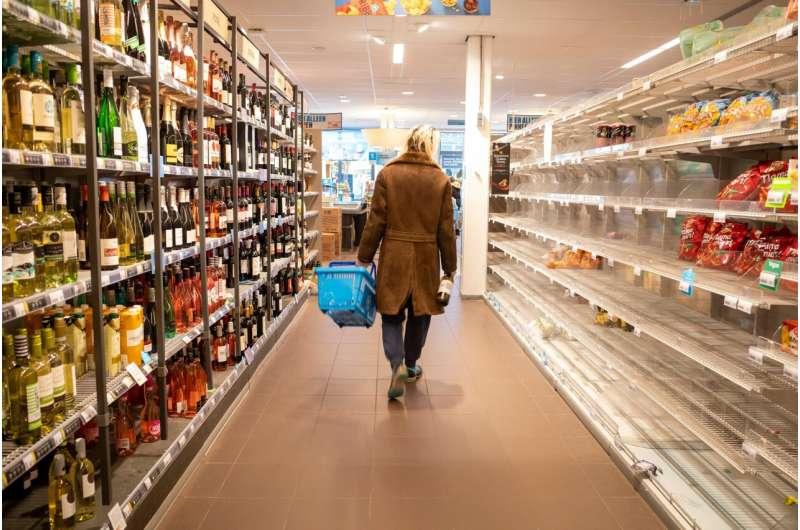
Недавние кибератаки, направленные против коммерческих холодильных установок и интеллектуальных регуляторов температуры в супермаркетах по всей Европе, привели к удаленному повышению температуры в них — в некоторых случаях до 122 градусов по Фаренгейту (50 градусов по Цельсию). В результате нападений было испорчено большое количество свежих и замороженных продуктов, возникли небольшие пожары и, по оценкам, потери продукции и оборудования составили миллионы евро.
Атаки происходили волнами, объяснил Шаанан Кони, доцент кафедры компьютерных наук Университета Тафтса, который занимается исследованиями в области кибербезопасности, конфиденциальности, права и государственной политики.
"Сначала, в середине октября, атакам подверглись 700 супермаркетов во Франции", - сказал он. "После небольшой паузы в начале ноября были атакованы еще 100 объектов по всей Европе. Французские власти предприняли необычный шаг, публично обвинив в первоначальных атаках иранских хакеров, спонсируемых государством".
Аналогичные неисправности морозильной камеры, из-за которых в августе испортились продукты в продовольственных магазинах на нескольких военных базах США, теперь также расследуются как предполагаемые кибератаки. Агентство по кибербезопасности и защите инфраструктуры, ФБР и другие федеральные агентства США 5 ноября опубликовали совместное рекомендательное письмо по вопросам безопасности, учитывая глобальную угрозу для хранения продуктов питания, медикаментов и других товаров при безопасных температурах.
Ниже Кони рассказывает о том, что нужно знать потребителям о риске будущих атак на повседневные системы, на которые мы полагаемся, а также о том, как искусственный интеллект может облегчить злоумышленникам их проведение в более широком масштабе.
Нацелены ли эти атаки на новые или необычные цели?Существует долгая история атак на операционные технологические системы, от светофоров и систем оплаты проезда в метро до холодильных установок, ставших объектами последней волны атак. Новым является не то, что эти устройства подвергаются атакам, а масштаб и очевидная легкость атак, возможно, со стороны иностранного государства.
Создают ли новые риски такие устройства, как холодильники, подключенные к "Интернету вещей"?Подключение устройств к Интернету не является чем-то новым. Но отличие здесь в том, что злоумышленник, спонсируемый государством, по-видимому, координирует атаки на критически важную инфраструктуру, которая хорошо видна общественности. Были совершены нападения с цельюwater systems and electric utilities, but targeting supermarkets brings the threat home to consumers in a much more immediate, everyday way.
Was the motive to show the public their country could be attacked?It's hard to know the motivation behind these attacks. But we're increasingly seeing countries make their cyberattacks visible to the public, seemingly to influence public opinion and political outcomes.
We've seen Iran leverage social media and public opinion in a way that suggests they're not only shaping geopolitics throughout the recent conflict. These supermarket attacks likewise may be both an attempt to disrupt ordinary life and a way of trying to influence public opinion.
How serious is this type of threat to the security of our food supply chain?These particular attacks aren't going to bring down our food supply chain. But they highlight a broader risk as more of the systems we depend on become connected to the internet.
It's increasingly difficult to just walk into a store and make an ordinary purchase without interacting with a networked system. And as our grocery stores, transportation systems and health care become more reliant on digital technology, the risks grow, too.
Are refrigeration systems particularly vulnerable to hacking?Yes. Many operational technology systems are built from components supplied by a large number of manufacturers. Each digital component runs its own highly tailored software or firmware—the software embedded in devices to control how they operate. Because many of these manufacturers may face few security standards and the components are not regularly patched when flaws are found, the components are often not particularly secure.
In my work as a researcher, it's very uncommon to examine one of these devices and find a clean bill of health. Often, you find not just one security flaw, but many. That leaves these systems vulnerable to state-sponsored attackers, who may need to find only one weakness to bring an important system down.
Were the grocery store attacks carried out with the help of AI?It's unclear if or how much AI contributed to these particular attacks. But AI is making cyberattacks more accessible to a wider range of bad actors. Whether or not these attacks were AI-powered, they offer a glimpse of what may be ahead.
AI is changing the landscape. Tasks that might once have taken a well-trained attacker weeks to accomplish can now be done by someone with far less expertise, with help from AI. In some cases, AI can even identify and link multiple security vulnerabilities to carry out an attack.
These capabilities are already shaping cybersecurity policy in the U.S. and internationally, which so far is often focused on trying to add safeguards to slow the development and spread of these models in countries that could pose a security threat.
However, recent headlines suggest these efforts have been less effective than officials would like—and restricting access to chips alone won't provide a long-term solution to the cybersecurity challenges posed by AI. Government and industry are also trying other measures like using AI for cyberdefense and trying to build systems that are secure from the get-go, but there is no single policy fix.
>