Потребительский интерес к персональному ИИ становится массовым
Эта статья подготовлена компанией Qualcomm Technologies.
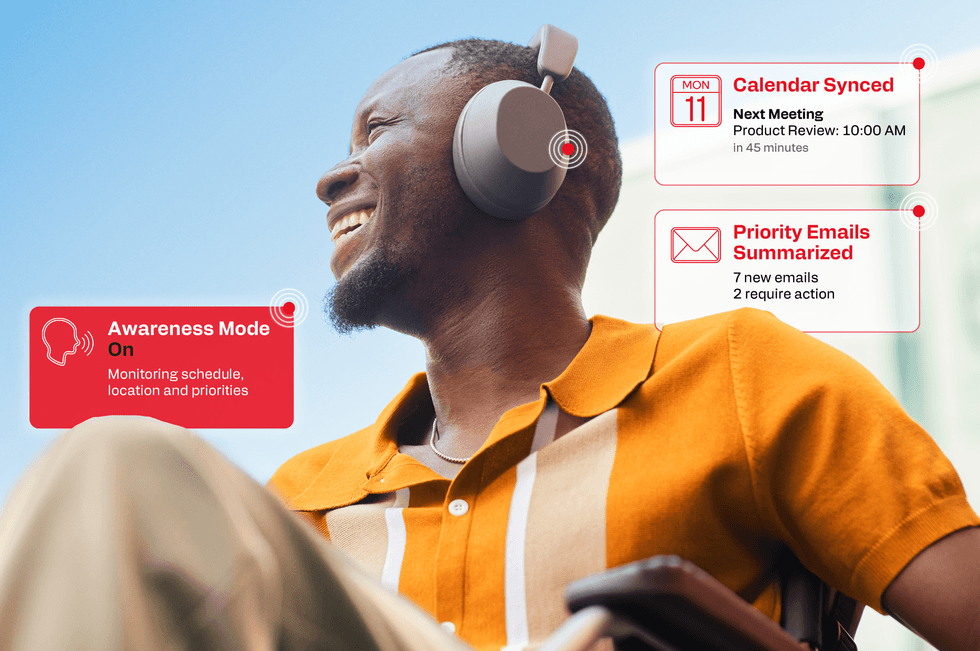
Для многих потребителей большая часть перспектив и привлекательности искусственного интеллекта является личной. Потребители отказываются от стандартных инструментов и хотят знать, как эти технологии помогут им в повседневной жизни. Эти тенденции совпадают с появлением новых классов носимых устройств, которые, помимо возможности использовать мощные передовые модели, оснащены встроенным интеллектом, позволяющим понять контекст, в котором находится пользователь. Где они находятся? Что они видят и слышат? Каковы их привычки, предпочтения, график работы?
Это удивительный поворот от пассивных аксессуаров, которые в основном служили для отправки уведомлений пользователям со смартфонов, к активным, интеллектуальным компаньонам. Смартфон больше не является центром этой вселенной; хотя он по-прежнему невероятно важен, в этой парадигме персонального ИИ ИИ - это пользовательский интерфейс. И это смещает акцент на вас, пользователя.
Эти новые технологии впечатляют. Но чего на самом деле хотят потребители?
В отчете о персональном ИИ, подготовленном по заказу Qualcomm Technologies на основе опроса более 12 000 человек в ключевых регионах мира (США, Великобритания, Германия, Индия, Бразилия и Китай), посвященном росту использования персонального ИИ в интеллектуальных носимых устройствах, подробно рассматриваются эти тенденции.
Смартфон больше не является центром этой вселенной; хотя он по-прежнему невероятно важен, в этой парадигме персонального ИИ ИИ - это пользовательский интерфейс.
Респонденты, участвующие в опросе, меньше заинтересованы в отдельных устройствах и больше поддерживают идею взаимосвязанных экосистем. По мере того как люди расширяют список своих устройств, это приобретает смысл. Вместо того чтобы полностью полагаться на смартфон и ноутбук, респонденты также используют в своих автомобилях подключенные технологии, а также интеллектуальные носимые устройства, такие как умные часы, умные очки, наушники и другие носимые устройства, такие как кольца, булавки и подвески. Они хотят, чтобы эти устройства работали согласованно, и способ добиться этого - децентрализовать любое из них. Вместо этого агент искусственного интеллекта, который знает пользователя и работает на всех этих устройствах, становится объединяющим фактором.
Рассмотрим обычный рабочий день: часы пользователя определяют, что пора отправляться на встречу, и, с разрешения пользователя, их ИИ-агент учитывает данные календаря, данные о трафике в реальном времени и состоянии заряда батареи на их устройствах. В машине часы подсказывают оптимальный маршрут и информируют о повестке дня встречи. Когда они приходят на место, умные очки отображают незаметное напоминание, например, о месте встречи или имени нового контакта, в то время как телефон остается в кармане. Ни одно устройство не обязано выполнять все за себя; каждое из них выполняет ту роль, для которой оно подходит лучше всего, и координируется персональным ИИ-агентом, который понимает контекст работы пользователя и действует только по его указанию.
Учитывая это, простого добавления дополнительного оборудования недостаточно. Несмотря на то, что респонденты будут открыты для новых форм-факторов, они будут требовать большего от своей экосистемы устройств. Они будут чувствительны к трудностям и ненужной сложности, и им потребуется, чтобы каждое новое устройство вносило что—то новое в работу - "повышенный интеллект, удобство или контекстуальную осведомленность о том, что их существующие устройства сами по себе не могут обеспечить то, о чем сообщают", - говорится в отчете.
The usage trends are up. The report found that those who own wearables are already using AI frequently (60 percent use it at least weekly), which indicates that it’s becoming less of a fun experiment for early adopters and more of a critical mass habit.
The "always-on" nature of intelligent wearables appears to be winning respondents, too. The report found the following statistics on average continuous wear among users:
- True wireless earbuds – 3 hours
- Wireless headphones – 3 hours
- Smart glasses – 5 hours
- Audio glasses – 6 hours
- Smartwatches – 9 hours
- Smart rings, necklaces and pendants – 8 hours
Consumers want AI that is personal and understands their context — they’re looking for smooth, intuitive experiences that are marked by privacy, security, and user control.
Consumer Trust Is Hard-WonBut for all the excitement and engagement around intelligent wearables, there’s a gating factor: trust. As use cases for intelligent wearables expands to more personal and persistent experiences, trust is a necessity for Personal AI.
The top reported issues around adoption are privacy, security, and user control. The data points to a certain amount of caution around deeply personal use cases, like voice, health, and location, as almost 60 percent of respondents want to keep data from their wearables private, or at least insist on gaining approval before it gets shared.
In other words, even though premium features like high-quality audio, perception sensing, battery life, and comfort whet consumer appetites (and agentic AI capabilities drive upgrade intent), true adoption will come only with consumer trust. They want security, privacy, transparency and control.
Notably, the report found that respondents expressed more interest in adopting intelligent wearables when Snapdragon was introduced as the enabling platform. This reinforces the value of having an established, trusted technology foundation in the mix.
The Industry Remains FluidThe report shows that consumer appetite for AI is high, with 60-70 percent of those surveyed expressing interest in advanced AI as they consider a new device. That’s a constant. But remaining purchase drivers differed between device categories.
Audio playback quality is the most influential purchase driver for true wireless earbuds and headphones. For smartwatches, it’s display quality and responsiveness. Respondents are less concerned about technical specifications than aesthetics like materials and finish when it comes to devices like smart rings and pendants. And for smart glasses, it’s all about the type of control, whether it’s voice, gesture, or touch.
aspect_ratio
The Rise of Personal AI in Intelligent WearablesArtificial intelligence is entering a new phase, one that is deeply personal, continuously present, and seamlessly embedded into the devices we wear every day. This evolution, which we define as "Personal AI", represents a shift away from generic, cloud-only intelligence toward AI that understands individuals in context: their habits, preferences, environments, and intent, in real time.
Get the full report →
Alongside these purchase drivers is another key finding: Consumer appetite for Personal AI agents has gone mainstream. The report says that 70 percent of respondents "express strong interest in an AI assistant that can interact naturally through voice and seamlessly manage devices, apps, and everyday tasks." With each individual as the center of their own ecosystem, voice becomes the most critical, natural method for interacting with agents.
The OpportunityThe industry for intelligent wearables is exciting. It’s clear that consumer demand for Personal AI is high, and this report dives deeply into the specifics of what respondents want out of it. They want AI that is personal and understands their context, and they want it to be proactive and helpful instead of merely reactive. They’re looking for smooth, intuitive experiences that are marked by privacy, security, and user control.
Intelligent wearables comprise much of the hardware of this "ecosystem of you." Consumers are interested in ecosystems instead of single devices, and they’re looking for agentic AI capabilities that understand and act on their behalf.
Yet so much of the industry remains undefined. OEMs and technology makers have an enormous opportunity right now to innovate and iterate on the strong technological foundations that platform makers are building. And the roadmap for what consumers want is clear.
All percentages, consumer behaviors, and attitudes stated in this report are based only on the responses of the individuals who participated in our survey.
>