Убираем Фарфор из банки для Печенья "Облако"
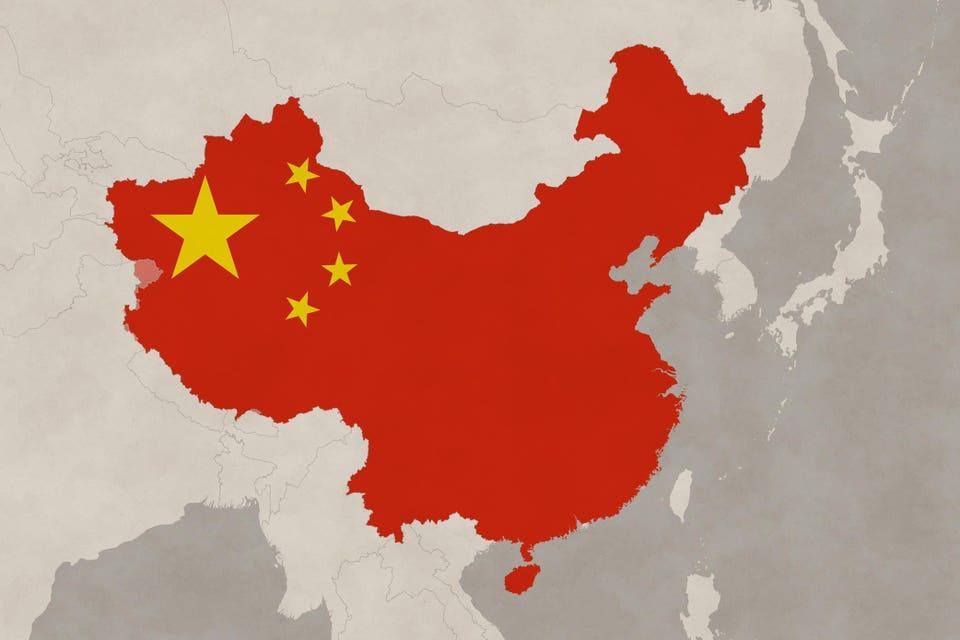
Официальные лица США активно работают над законодательным закреплением запрета на удаленный доступ Китая к передовым вычислениям на GPU, в частности, через облачные сервисы, арендованные у таких стран, как Вьетнам и Сингапур. Эти усилия выходят за рамки физического контроля за экспортом чипов, который, как оказалось, трудно обеспечить, благодаря новому законодательству, такому как Закон о безопасности удаленного доступа, направленному на ограничение удаленного доступа. Законодатели утверждают, что эти меры жизненно важны для предотвращения использования Китаем технологий США для разработки искусственного интеллекта, ссылаясь на соображения национальной безопасности и военные соображения. Стратегия направлена на то, чтобы замедлить технологический прогресс Китая путем сокращения, а не полного запрета, учитывая сложность контроля за трансграничными цифровыми сервисами. Конечное влияние на развитие ИИ в Китае остается неопределенным.
Появились новые заголовки, в первую очередь из-за информации о том, что администрация Трампа усердно работает над тем, чтобы выяснить, как законодательно закрепить запрет на аренду графических процессоров в Китае из таких стран, как Вьетнам и Сингапур. Несмотря на платный доступ, на графическом изображении показаны центры обработки данных в этих отдаленных районах, передающие ценные данные в Поднебесную, что для американского правительства неприемлемо. Вопрос в том, можете ли вы контролировать доступ другой страны к удаленным сервисам?
ОборудованиеЯ уже подробно писал о проблемах, связанных с контролем экспорта чипов Nvidia. Сначала китайцы могли покупать чипы H20. Затем они не могли. Затем они могли. По мере появления на рынке новых чипов США ослабляют контроль за экспортом старых. Иногда администрация устанавливает ограничения на экспорт графических процессоров такими компаниями, как Alibaba.
Я думаю, было бы справедливо назвать это "горячей точкой". Но попытаться заблокировать Китай от облачных сервисов, похоже, будет еще сложнее. На прошлой неделе я сообщал, что, несмотря на любые запреты на экспорт Nvidia, которые Дженсен Хуан исторически менял с помощью meeting with Trump, thousands of banned GPUs get smuggled into China, anyway, with switched labels and deceptive packaging.
Hands off That Server!The Remote Access Security Act, introduced last December, already works to try to curb China’s access to remote services.
"Under current law, bad actors can train AI models by accessing advanced chips under the jurisdiction of the US, and the Bureau of Industry and Security has no authority to require a license. This legislation closes this existing security gap by extending export controls to include remote access scenarios, ensuring that both physical possession and remote access to sensitive technology by foreign advisories face equivalent scrutiny when national security risks are present," said Dave McCormick, a sponsor.
But, as GPT cutely told me, "bits cross borders more easily than chips," so I think it’s a fair question to ask: if the U.S. can’t control the hardware, how would officials ever hope to put a serious dent in the sale of international cloud services with both participants beyond American borders?
Roadblocks and SandbagsThere’s an argument to be made that in pursuing these laws, the American government isn’t really trying to completely bar China from signing into remote servers completely, but just to slow the competitor down by attrition, like in the Cold War between the U.S. and the Soviet Union, where eventually, one of the contenders had to revise its imperial ambitions.
That makes more sense, and it’s more like what’s happening with Nvidia. It’s not that the Chinese can’t get any Nvidia GPUs: its more that central command or private parties there can’t just order up the newest Grace Hopper and Vera Rubin architectures willy-nilly, and that these bottlenecks can slow China’s bid for dominance.
As for new rules, here’s more on a House plan to implement another such restrictive piece of legislation.
Here’s testimony from a sponsor, John Moolenaar (R-MI):
"In the AI race, China will buy what it can and steal the rest, which is why it is actively trying to get backdoor access to U.S. data centers and train its AI models via cloud computing. U.S. cloud platforms have a role to play in stopping China’s AI buildup, which fuels its military and surveillance ambitions. This bipartisan commonsense legislation will require them to protect their products and American national security by simply verifying the identity of their users."
Here’s more from the other sponsor, Josh Gottheimer (D-NJ):
"We can't let our adversaries — especially China — dodge our export controls by simply renting what they can't buy. This bill gives American companies the legal clarity they need to do the right thing and report when bad actors are trying to use our own cloud infrastructure to threaten our national security."
Is it just saber-rattling? Or can China be hobbled, or tamed, in this way?
We’ll see. The Sino-American race is probably not peripheral to the eyes of the world, as other nations also race to create their own national-language and domestically controlled AI platforms.
Keep an eye out.
>