Навыки в области Искусственного интеллекта, которые действительно нужны Работодателям В 2026 году
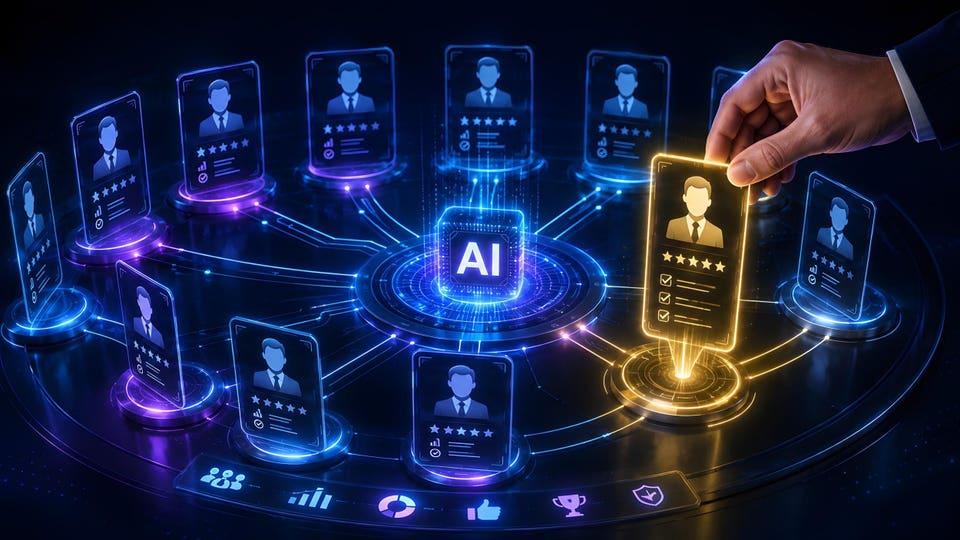
Рынок труда, связанный с ИИ, развивается не так, как прогнозировалось, и новые должности, такие как "оперативный инженер", не получили широкого распространения. Вместо этого работодатели все чаще ищут уже существующих специалистов — маркетологов, инженеров и аналитиков, которые могут эффективно интегрировать ИИ в свои текущие задачи. Оперативный инжиниринг - очень востребованный навык, хотя он редко занимает специализированную должность. И наоборот, спрос на специалистов в области этики ИИ и управления остается на удивление низким, что вызывает опасения по поводу надзора со стороны отрасли. Навыки в области ИИ-агентов демонстрируют самый быстрый рост, в то время как машинное обучение остается наиболее востребованным базовым техническим навыком. Умение общаться с чат-ботами становится основным ожиданием. В конечном счете, наиболее востребованный навык в области искусственного интеллекта предполагает расширение имеющихся у человека возможностей с помощью инструментов искусственного интеллекта.
Бум вакансий в сфере искусственного интеллекта разворачивается не совсем так, как предсказывали многие люди.
Когда в 2022 году появился ChatGPT, нам сказали, что нас ожидает волна совершенно новых профессий - от инженеров-технологов до специалистов по этике ИИ. Четыре года спустя работодатели, безусловно, хотят обладать навыками в области ИИ, но роли, на которые они нанимают, рассказывают более интересную историю.
Вместо того чтобы создавать армии людей с новыми блестящими должностями в сфере ИИ, компании все чаще ищут маркетологов, инженеров, менеджеров проектов, аналитиков и других специалистов, которые знают, как эффективно использовать ИИ в рамках своих существующих обязанностей.
Итак, какие навыки в области ИИ действительно важны для работодателей в 2026 году?
Чтобы выяснить это, я изучил пять наиболее обсуждаемых навыков в области искусственного интеллекта и сравнил ажиотаж вокруг них с тем, что происходит на рынке труда. Спрос на некоторые из них резко возрос, некоторые становятся базовыми требованиями, а другие вообще едва ли были зарегистрированы работодателями.
Оперативное проектированиеМногие ожидали, что это будет один из самых востребованных навыков в эпоху искусственного интеллекта. Многие предсказывали, что это может стать распространенной профессией, поскольку все больше компаний начали внедрять чат-ботов и LLM для решения многочисленных задач. Пока что все обстоит не совсем так, как хотелось бы, но оперативная инженерия как навык уже пользуется большим спросом.
Статистика, собранная Стэнфордом для своего индекса искусственного интеллекта за 2026 год, показывает, что в 2025 году в 22 227 списках вакансий в США были представлены кандидаты с таким уровнем владения языком, что значительно больше, чем 6 152 в предыдущем году. Таким образом, хотя компании специально не нанимают специалистов по оперативному проектированию, они нанимают маркетологов, аналитиков, руководителей проектов и инженеров с сильными навыками оперативного проектирования, которые помогут им внедрить ИИ в своих организациях.
Этика и управление ИИВозможно, именно этот навык демонстрирует наибольший разрыв между ожиданиями и реальностью, что, вероятно, должно стать поводом для беспокойства.
It could be that many businesses don’t feel that their AI strategies are mature enough to warrant hiring people with skills in this field. But according to the AI index, just 0.05 percent of US job listings specifically sought candidates with these abilities. This makes it the smallest of the 10 AI skill clusters tracked by Stanford’s report.
Is this a sign that industry isn’t yet treating oversight as an operational priority, preferring to see it as a problem to be dealt with when things go wrong? With the need to navigate increasingly complex and onerous regulatory frameworks (the EU AI Act, for example), this could be a mistake, and a lot of companies could be setting themselves up to learn this the hard way.
Agentic AIThis was the subset of AI skills that Stanford’s researchers found had increased by the largest amount, from just 151 mentions in 2024 job ads to 16,541 in 2025. Ads seeking professionals skilled in LangGraph, an open-source platform for deploying AI agents, increased by over 2,000 percent, from 194 to 4,294, in the same period.
Of course, not many people were even talking about AI agents back in 2024. So some of that fast growth is just due to the fact that companies are starting from scratch when it comes to hiring for agentic skills. Orchestrating teams of agents to work cooperatively, agentic specialisms like web browsing and online shopping, and UX design focusing on creating tools that can be used by both agents and humans, all fall into this category.
Machine LearningMachine learning is best thought of as the technical nuts and bolts that make every application we call "AI" work. And according to Stanford’s research, it’s still the most frequently requested AI skill in job ads. As a technical skill, requiring knowledge of computer programming, mathematics and statistics, it’s the "hard skill" underpinning everything else on the list, even if we’re more used to hearing about LLMs or agents these days.
While these newer and more trendy terms cover technologies that handle human-machine interfacing and workflow automation, ML algorithms quietly power recommendation engines, predictive maintenance, fraud detection, risk modeling and all the vital workloads industry entrusts to AI in 2026. And they’re all built and maintained by humans with ML skills.
Chatbots And Conversational AIConsidering this is most people’s introduction to AI, and the application of AI that many businesses immediately recognize as valuable, it isn’t surprising they’re still looking for humans skilled in designing, deploying or just working alongside chatbots.
While the number of job ads requesting skills in this field continued to climb in the last year, from 5,535 to 14,376 for ChatGPT, they fell in proportion to the total number of AI-related job ads; in the case of "chatbot" by 50 percent, and "conversational AI" by 68 percent. So employers are still looking for people with these skills, but may be more focused on other fields such as agents or ML engineering right now. This doesn’t mean that skills in this field aren’t important anymore—chatbots are still fundamental to the way we use and interact with all forms of AI. So perhaps it’s just become a baseline skill we assume anyone interested in working in AI will have? Just like "proficient in Microsoft Word and Excel" would have been included in every CV 20 years ago, but not so much today.
AI Skills: The Big PictureWhat stands out here is that AI isn’t necessarily creating new job titles yet, as was predicted might happen. Instead, AI skills are being absorbed into existing jobs and becoming part of the skill sets that every professional is expected to have.
Project managers are more likely to be expected to have an understanding of AI workflow design, software engineers will need to know how to use AI coding tools, and marketers will need to be comfortable with briefing and supervising genAI content tools.
This means that those with the most marketable AI skillsets in 2026 are those who can use AI to augment their own abilities, whatever field they’re in.
>