‘Мир, кажется, готов": интервью с руководителем отдела продуктов OpenAI Тибо Соттио
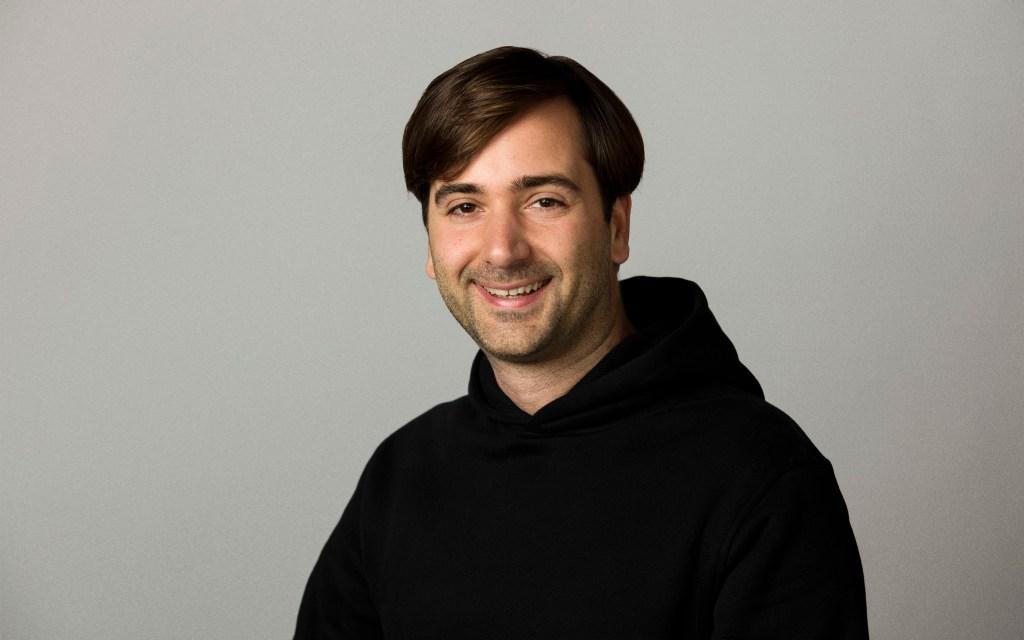
Пользователи программного продукта OpenAI Codex, возможно, знают Тибо Соттио как человека, который сбрасывает лимиты на токены всякий раз, когда продукт достигает определенного уровня развития. Теперь OpenAI пытается донести этот дофаминовый заряд до всех нас с помощью ChatGPT Work, платформы для белых воротничков, позволяющей использовать агентов искусственного интеллекта. Я поговорил с Соттио о нашем материале о продукте и его проблемах, но мы хотели подробнее рассказать об этом разговоре с нашими читателями. Вот слегка отредактированная и сокращенная версия нашего интервью о победе над скептиками, открытиях как философии дизайна продукта и стоимости интеллектуальных данных.
TechCrunch: Я знаю, что вы работаете в техническом отделе. Правильно ли будет сказать, что вы являетесь ведущим специалистом по продуктам для Codex и Work?
Соттио: Я руковожу всеми основными продуктами — это API, агентская инфраструктура, корпоративные продукты, весь ChatGPT, который включает в себя работу с ChatGPT, а также классический ChatGPT, а также все, что связано с Codex.
В: Я прав, полагая, что вы отчитываетесь перед Грегом Брокманом?
Соттио: Да, Грег. Мне нравится говорить, что в конце дня все отчитываются перед Грегом.
Вопрос: Почему работа ChatGPT так важна для OpenAI?
Соттио: Мы хотели донести возможности программистов до каждого, и поэтому это упражнение заключается в том, чтобы взять что-то, что было создано для технических специалистов, и затем упаковать это таким образом, чтобы оно было безопасным и приятным в использовании, а также чтобы вы могли использовать его на ходу, на мобильных устройствах, в Интернете. и сделать его доступным как можно более широкому кругу населения. Вот почему мы запустили его также в рамках плана Plus, который стоит всего 20 долларов в месяц, и отдача, которую вы получаете от него, просто невероятна. Похоже, это то, к чему мы стремились. Это как "сделать эту технологию доступной как можно более широкому кругу населения".
Вопрос: Аналитики говорят, что здесь есть важная экономическая мотивация, заключающаяся в том, что OpenAI должен поддерживать отношения приложения с пользователем.
Соттио: Чем больше ценности и полезности мы создаем для пользователей, тем больше они будут готовы платить за какую-то часть этой полезности, и именно так мы всегда воспринимали ChatGPT. Это похоже на то, что я приношу столько пользы вам как пользователю, что вы просто сидите и думаете: "Конечно, я хочу платить за это 20 долларов в месяц", потому что вы знаете, что ценность, которую вы получаете, намного больше.
Вопрос: Насколько важной может быть эта технология с точки зрения привлечения общественного мнения к ИИ?
Соттио: На мой взгляд, наша роль заключается в том, чтобы познакомить всех с этой технологией, и поэтому возникает вопрос: как вы осуществляете ее распространение? Codex был создан для восприимчивой технической аудитории, где мы очень рано сделали доступными некоторые из этих возможностей, и сейчас мы находимся на том уровне зрелости этой технологии, когда считаем правильным распространить ее на гораздо более широкую аудиторию, а затем обучить всех ... это гораздо больше чем получить помощь в написании книги или какой-нибудь личный совет. Благодаря этому новому фактору, ChatGPT действительно может выполнять все очень сложные задачи за вас автономно, что делает это увлекательным и безопасным способом. Миссия OpenAI - объединить всех.
TC: How you think about that transition and when the moment is right to let the model take the lead versus putting buttons or a user interface in front of people?
Sottiaux: The essence of what we’re trying to do is building extremely capable models, and then figuring out the most simple and delightful way to bring them into your life so that you get tremendous utility from it. And in order to do that, you need to get out of the way, almost, of the model, and you need to just let it express itself and be able to harness all of the utility that it can provide to you. … [A] minimal product surface, just delightful simplicity, a way to engage with humans that is very natural.
We had text before, but now we’ve launched ChatGPT Voice, which has seen a lot of growth. It is super natural to just talk to it, right? The way that we’re talking now, just have an engaging conversation. The progression of this technology is going to become more natural over time. It adapts to humans. You don’t have to do the reverse, where you have to learn how to use this application.
TC: Is the model there? I was reading Ethan Mollick, who is a Wharton professor who studies these tools, saying that ChatGPT Work tries to be magic, and Claude Cowork puts A/B tests in front of you and has you make more choices. Do you think workers generally are ready for that level of magic?
Sottiaux: We definitely see that the world seems to be ready. This is why we’ve had incredible adoption. We just announced, we hit 20 million users. We managed to launch it in a way that is … simple but powerful, simple but uncompromising.
TC: My brain kind of breaks when I think about building a product that’s meant to do everything. Do you think about a minimum viable product? Do you think about discrete problems? What are you evaluating?
Sottiaux: It is almost like a product of discovery as well. As we push on the frontier of capabilities of models, we also discover what it’s capable of, and we sort then lean into the things that it is the most capable of, and then you know build great products around it. There’s this element of discovery of the capabilities as well, including for us. And that’s always a very magical, fun experience.
For example, GPT 5.6 was a step up in general work: being able to process a large amount of documents, generating quality slides, generating quality reports, doing deep research, things that a professional will do. We then lean into that, and then we capture feedback, and then we continue to improve. And this is also part of iterative deployment of these capabilities. It’s learning from the community, learning from real use, and then continuously improving it.
TC: There’s a big gap between what I’m paying on the Plus plan and the amount of tokens I’m using. How do you think that plays out? Should I be worried about that? Should CFOs be worried about that?
Sottiaux: We are working every day to push the frontier on efficiency. We announced major price cuts with Luna, 80% off. This is a permanent price correction… so the current level of frontier capabilities become cheaper and cheaper over time. This is something that will continue. Our goal is to, over time, include more utility in the same dollar amount. So if you want to do more, you know, it’s like of course you can pay more to do more, but in terms of what is capable today, it’s like you wake up six months from now, you should be able to do all of the same with less spend.
TC: What do you say to someone who is stressed out about giving it access to their e-mail, giving it access to iMessages, which you just rolled out today?
Sottiaux: It’s important to pick models that are safe and aligned. And a very, very big part of our investment is in the safety stack, the safety approach, publishing honest benchmarks on these things. And our models are world-class at these topics.
>