Фабрика искусственного интеллекта в Занкоре: может ли Центральная Ява позволить себе такие расходы на воду?
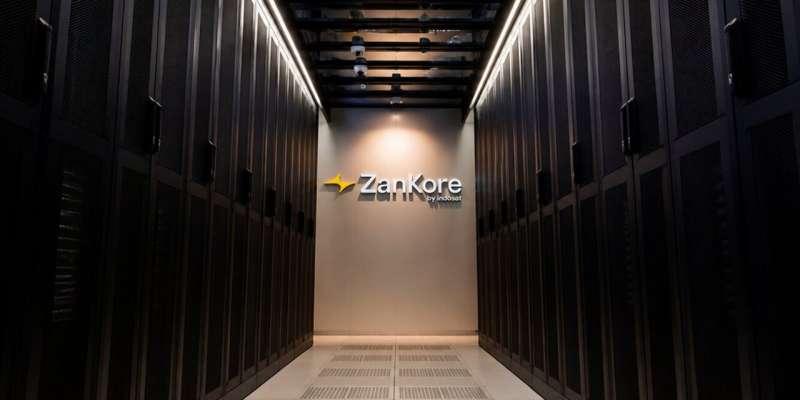
Компания Indosat Ooredoo Hutchison совместно с Ooredoo Group, Nokia и Nvidia планирует разработать Zankore - инфраструктурную платформу для искусственного интеллекта (ИИ), предназначенную для обслуживания региона.
Завод по производству искусственного интеллекта мощностью 1 гигаватт (ГВт) будет построен поэтапно. Его первую очередь мощностью около 200 мегаватт (МВт) планируется начать строить в Батанге, Центральная Ява, в первой половине 2027 года.
Проект продвигается как шаг к реализации амбиций Индонезии стать региональным центром искусственного интеллекта. Однако развитая инфраструктура искусственного интеллекта требует не только огромного количества электроэнергии. Для охлаждения серверов также требуется большое количество воды.
Сложный вопрос заключается в том, сможет ли правительство гарантировать достаточное количество воды как для серверов искусственного интеллекта, так и для местных сообществ, когда Центральная Ява уже сталкивается с нехваткой воды.
Потенциально большой спрос на водуКаждый раз, когда мы задаем чат-боту вопрос, тысячи чипов в центрах обработки данных обрабатывают запрос и выделяют тепло. Системы охлаждения должны постоянно отводить это тепло, часто путем испарения воды через градирни.
Вода также потребляется косвенно по всей цепочке поставок в центры обработки данных, в том числе для выработки электроэнергии.
В исследовании, проведенном в 2025 году исследователями Калифорнийского университета, была оценена потенциальная потребность в воде на фабриках искусственного интеллекта с использованием прогнозируемого подхода Microsoft. В Индонезии зафиксировано самое высокое прогнозируемое потребление охлаждающей воды среди рассмотренных стран - около 1,9 литра на каждый киловатт-час электроэнергии, потребляемой серверами.
Исходя из этих прогнозов, первая очередь Zankore мощностью 200 МВт сможет выпаривать от 4,8 до 9,1 миллиона литров (1,3-2,4 миллиона галлонов) воды в день при условии непрерывной работы.
При таких темпах Занкор мог бы потреблять количество, эквивалентное 75,46 млн литров (19,9 млн галлонов) чистой воды, подготовленной правительством Центральной Явы во время кризиса с засухой 2026 года, всего за восемь-16 дней. При полной мощности в 1 ГВт тот же объем можно было бы израсходовать примерно за два-три дня.
The Nvidia chips used in Zankore's AI infrastructure can be cooled using evaporative cooling towers, while alternatives such as seawater-based cooling could reduce freshwater consumption. Such systems, however, may create other environmental risks, including impacts on marine ecosystems.
As of this writing, Zankore has not disclosed which cooling system it will use.
$4.59 billion investment: Is it worth the trade-off?Zankore represents an investment of about $4.59 billion, or Rp82 trillion—more than the five-year investment target of $4.23 billion (Rp75.8 trillion) for the Batang Special Economic Zone (SEZ).
The government has also invested Rp409.7 billion from the national budget to develop raw-water infrastructure for the Batang industrial zone, including Zankore's facility. The system has a capacity of 285 liters per second, or about 24.5 million liters (6.5 million gallons) per day.
If Zankore relies on this source, its 200-MW first phase could consume more than 30% of the infrastructure's daily capacity. At 1 GW, its estimated demand could exceed the entire capacity.
The economic benefits deserve closer scrutiny. Data centers are highly capital-intensive but relatively low in labor intensity. A 2026 study based on thousands of U.S. data centers found that such facilities typically employ fewer than 100 permanent workers.
The question is therefore not simply how much investment enters Batang, but how much value stays there—and who bears the environmental costs.
Zankore is 49% owned by Ooredoo, 37% by Indosat, 11% by Nvidia and 3% by Nokia. This means 63% of its shares are held by companies from Qatar, the United States and Finland. Much of its equipment and AI chips will also be imported.
In economic terms, this creates a risk of a negative externality: profits accrue to shareholders, while part of the environmental cost, particularly water consumption, could fall on the local community.
Batang residents should not be expected to absorb that cost without transparency or safeguards.
Development must not deepen water insecurityThe urgency is greater because Central Java declared a drought alert between June 5 and Sept. 28, 2026, affecting 2.34 million people in 784 villages, including areas of Batang. The provincial government subsequently prepared 75.46 million liters (19.9 million gallons) of clean water for residents.
Meanwhile, the northern coast of Central Java is already struggling with land subsidence. Indonesia's Geological Agency and researchers at the Bandung Institute of Technology (ITB) have recorded subsidence of around 6–20 centimeters (2.4–7.9 inches) per year in the Pekalongan–Batang area.
As the ground sinks, soil becomes less able to store water, while seawater can move farther inland and worsen tidal flooding. These changes are difficult to reverse and could eventually force communities to relocate.
An AI factory is designed to operate continuously. Its servers cannot simply shut down because water becomes scarce. That is precisely why the government must understand its resource demands before the facility becomes fully operational.
At minimum, Zankore should be required to publicly disclose its projected water consumption, water sources, cooling technology and contingency plans during droughts. Authorities should also establish clear rules for allocating water between industrial users and local communities.
The same scrutiny should apply to other large data center projects, including the proposed AI data center in Jatiluhur, West Java.
Indonesia's ambition to become an AI hub should not come at the expense of communities already struggling with water insecurity and sinking land.
If the water runs out, everyone loses. If it is managed and protected fairly, everyone has a better chance to benefit from the country's digital future.
This article is republished from The Conversation under a Creative Commons license. Read the original article.
>