Как технический директор Priceline перестраивает Путешествия с помощью искусственного интеллекта
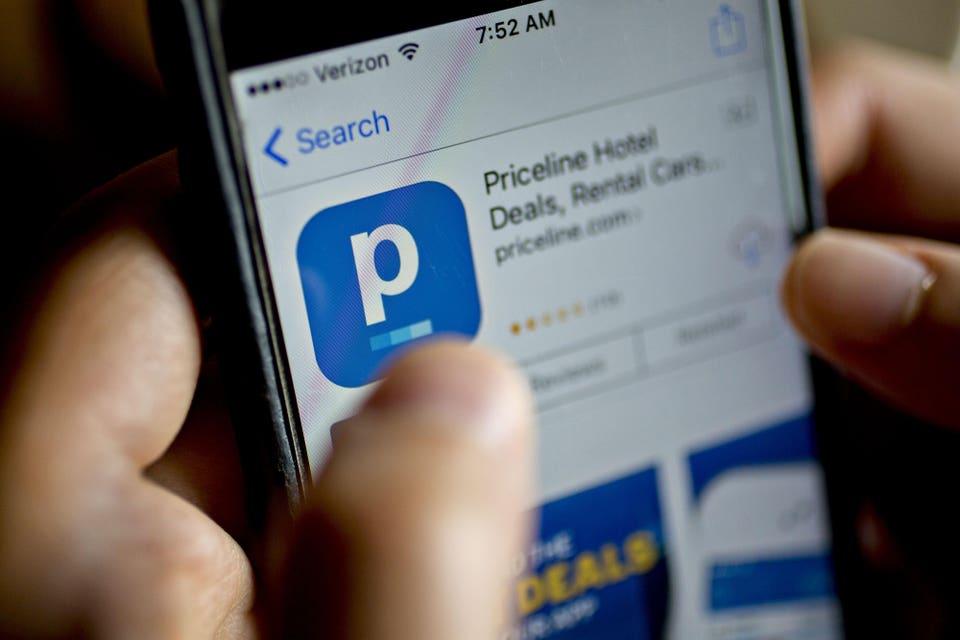
Технический директор Priceline Седжал Амин (Sejal Amin) руководит преобразованием компании с использованием искусственного интеллекта, чтобы стать лидером по заключению туристических сделок. Амин реорганизовал команды в подразделения, ориентированные на продукт, повысив подотчетность и эффективность. В стратегии Priceline в области искусственного интеллекта проводится различие между данными о поведении и предпочтениях, что позволяет получать персонализированные рекомендации с помощью обновленного помощника Penny AI assistant. Penny обеспечивает бесперебойное бронирование на одной странице с помощью нескольких скоординированных агентов ИИ, включая Клода из Anthropic. Инструменты ИИ-кодирования ускорили разработку, переключив внимание инженеров с генерации кода на более широкие задачи, такие как требования и тестирование, стирая традиционные границы ролей. Главная задача заключается в том, чтобы устранить "рутину" при планировании поездок, интерпретируя намерения пользователей. В планах на будущее - интеграция голосовой связи и "поэтапное делегирование", что позволит путешественникам настраивать участие искусственного интеллекта в управлении поездками, что отражает стремление Priceline к беспроблемному путешествию.
Уже более 25 лет Priceline помогает путешественникам находить лучшие цены на авиабилеты, отели и аренду автомобилей. Теперь компания применяет искусственный интеллект для решения гораздо более широкой задачи: понять, чего на самом деле хотят путешественники, прежде чем они смогут это четко сформулировать.
Это видение лежит в основе технологической стратегии, которую возглавляет Седжал Амин, технический директор Priceline. Компания Priceline, входящая в состав Booking Holdings, выручка которой в 2025 году составила почти 27 миллиардов долларов, использует искусственный интеллект, чтобы перейти от традиционного поиска к более персонализированному планированию путешествий. В организации Амин занимается разработкой продуктов, инфраструктурой, данными и технологическими операциями, но, по ее словам, большая часть ее работы выходит за рамки собственно технологий.
"В значительной степени это меняет принципы работы организации", - сказала она. "Я трачу столько же времени на разработку организационного дизайна, сколько и на техническую архитектуру".
Реорганизация в области продуктовОдним из главных приоритетов Амина после прихода в Priceline почти два года назад было изменение организации инженерных команд.
Исторически сложилось так, что в компании действовали функциональные команды, в которых отдельные организации отвечали за разработку интерфейсов, серверную часть, дизайн и управление продуктами. Несмотря на свою эффективность во многих отношениях, такая структура приводила к перераспределению функций, что замедляло разработку и снижало подотчетность.
С тех пор Priceline перешла на продуктовую модель работы, при которой межфункциональные команды полностью контролируют работу с клиентами. Вместо того, чтобы распределять работу между отделами, команды теперь владеют комплексными продуктами, такими как отели, авиабилеты или прокат автомобилей. "Утечка информации прекращается", - отметил Амин.
Общие возможности, включая платформы обработки данных, финансовые системы и клиентскую инфраструктуру, основаны на той же философии. Эти команды теперь работают как продуктовые организации с прозрачными планами действий, которые позволяют лидерам бизнеса и инженерно-технических служб оставаться согласованными.
Понимание намерений, а не только поведенияThe company’s AI strategy also reflects a broader shift in how Priceline thinks about customer data. Traditional travel platforms rely heavily on behavioral signals, such as previous searches or bookings. Amin believes the more valuable information lies in understanding customer intent.
Someone may consistently avoid long layovers, prefer boutique hotels or need larger accommodations when traveling with children. Those preferences often reveal far more than historical transactions alone.
That thinking helped shape the redesign of Penny, Priceline’s AI-powered travel assistant. Penny combines behavioral history with customer preferences to generate recommendations that feel significantly more personalized. Importantly, travelers can also review and update those preferences themselves. For Amin, that transparency builds trust while improving future recommendations.
Simplifying the Booking ExperienceThe redesign of Penny began with a simple observation. Customers enjoyed interacting with the conversational assistant because it was often faster than navigating traditional travel pages. The experience broke down whenever users needed to leave the conversation to complete another task.
Priceline responded by redesigning the experience around a single continuous workflow that carries travelers from discovery through booking without forcing them between multiple pages. Supporting that experience required considerably more than adding a chatbot.
Behind the interface, multiple AI agents work together while sharing memory and context throughout the interaction. Penny also draws on multiple large language models, including Anthropic’s Claude. "That’s where the actual hard part is," Amin emphasized. "It's not generating the text. It's building an interface that can follow an unpredictable user."
AI Is Changing Software DevelopmentGenerative AI is also transforming how Priceline builds software internally. Engineering teams increasingly use tools such as Cursor and Claude Code to accelerate development, helping Priceline deliver new capabilities more quickly. Amin said the productivity gains became especially noticeable beginning earlier this year, contributing to the rapid rollout of Penny's new capabilities.
Still, she cautions against measuring success simply by writing code faster. Code generation represents only a small portion of an engineer's work. Requirements gathering, testing, code reviews and refining customer experiences remain equally important. As AI takes on more routine development work, Amin expects traditional boundaries separating engineers, product managers and designers to continue fading.
She also distinguishes productivity from business impact. "Performance is whether the thing you shipped actually mattered," she underscored. That philosophy has reinforced Priceline's emphasis on maintaining stable product teams that develop deep customer understanding over time.
Removing Friction from TravelUltimately, Amin sees AI less as a way to replace travelers than as a way to eliminate the tedious work that surrounds planning a trip.
Rather than forcing customers to compare hundreds of reviews or manually evaluate dozens of similar properties, AI can summarize information, interpret traveler preferences and surface options that better fit individual needs. Amin regularly uses Penny herself, intentionally pushing it into unfamiliar situations to identify opportunities for improvement before customers encounter them.
Looking ahead, she sees voice interfaces becoming increasingly important, particularly in customer service, and Priceline has already begun experimenting with technologies including OpenAI's GPT Realtime and Amazon's Alexa+. Even so, she believes many travel decisions will continue to benefit from visual comparison rather than purely conversational interactions.
She is equally interested in determining how much responsibility travelers ultimately want to delegate to AI. Rather than assuming customers will hand over complete control, Priceline envisions a spectrum in which travelers decide how much assistance they want, from simple recommendations to increasingly autonomous trip planning.
Peter High is President of Metis Strategy, a business and IT advisory firm. He has written three bestselling books, including his latest Getting to Nimble. He also moderates the Technovation podcast series and speaks at conferences around the world. Follow him on X @PeterAHigh.
>